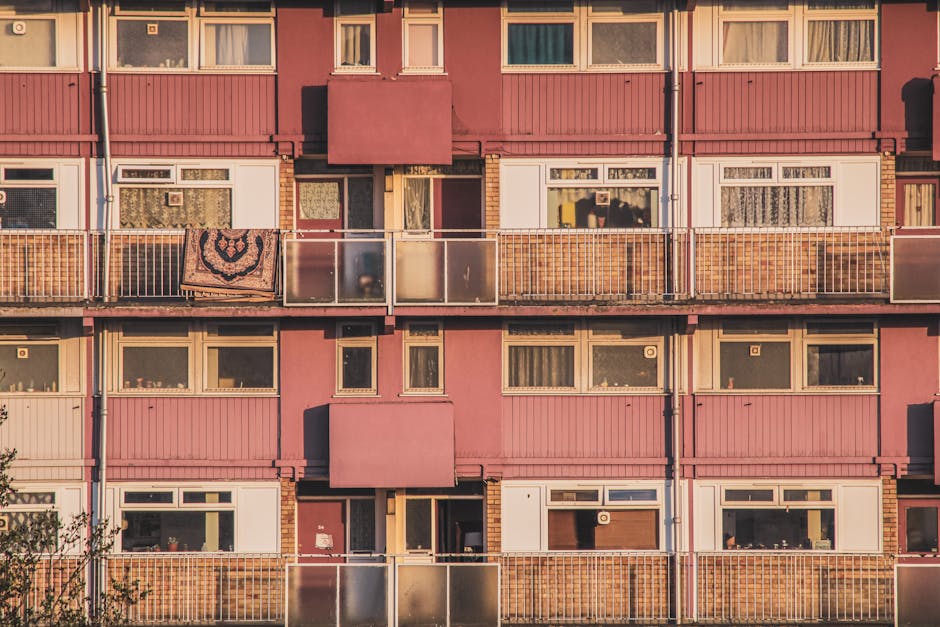
Deep cleaning flats on Lewisham High Street
If you live or work around Lewisham High Street, you already know flats here can pick up everyday grime fast. Busy footfall, coming and going, cooking smells, dust from open windows, and the usual London wear and tear all build up quietly. That is exactly where deep cleaning flats on Lewisham High Street makes a real difference. It is not just about making a place look tidy for a day. It is about resetting the flat properly, room by room, so it feels fresher, cleaner, and easier to live in.
Whether you are moving out, preparing for new tenants, getting on top of a neglected flat, or just tired of the bits you never quite reach, a proper deep clean goes further than regular domestic cleaning. In this guide, we'll walk through what it involves, why it matters, how to approach it sensibly, and what to watch out for. No fluff. Just useful, local, practical advice.
Table of Contents
- Why deep cleaning flats on Lewisham High Street matters
- How deep cleaning flats on Lewisham High Street works
- Key benefits and practical advantages
- Who this is for and when it makes sense
- Step-by-step guidance
- Expert tips for better results
- Common mistakes to avoid
- Tools, resources and recommendations
- Law, compliance, standards, and best practice
- Options, methods, and comparison table
- Case study or real-world example
- Practical checklist
- Conclusion
- Frequently asked questions
Why Deep cleaning flats on Lewisham High Street Matters
Deep cleaning matters because flats collect hidden build-up in places that regular tidying simply does not touch. Think behind the toilet, under kitchen units, around extractor fans, along skirting boards, inside oven seals, and in the dust line that settles on top of wardrobe doors. You may not see it every day, but you notice it when you finally tackle it. The flat smells fresher. Light seems to bounce better off surfaces. Even a small studio feels less cramped.
On a busy street like Lewisham High Street, flats also face extra pressure from everyday life. Door handles get touched more. Windows may stay closed for noise reasons, which can leave cooking odours hanging around. Shared entrances, stairwells, and compact layouts all make dirt build up a bit faster. Truth be told, a standard once-over clean can keep things presentable, but deep cleaning is what restores proper order.
It also matters for practical reasons. Landlords want a property turned over properly. Tenants want a fair chance of recovering a deposit. Homeowners want to stop the slow creep of grease and grime before it becomes a bigger job. And if you are a busy professional or family, the mental lift is real. A properly deep-cleaned flat feels calmer. Less cluttered in the head, too.
How Deep cleaning flats on Lewisham High Street Works
Deep cleaning is a detailed, room-by-room process that targets the areas most normal cleaning routines miss. It usually starts with a quick inspection, then moves into a structured clean of kitchens, bathrooms, bedrooms, living spaces, hallways, and any utility areas. The idea is to work from top to bottom so dust, crumbs, and residue fall toward areas that have not yet been cleaned.
In a flat, this usually means more than vacuuming and wiping visible surfaces. A proper deep clean often includes descaling taps, scrubbing tile grout, degreasing kitchen splashbacks, cleaning inside cupboards, removing limescale around sinks and showers, wiping skirting boards, cleaning light switches, and dealing with high-touch points. If the flat has carpets, soft furnishings, or hard floors, those may need specialist attention too.
There is usually a practical rhythm to it. The cleaner or homeowner begins with decluttering and access. Then they work on dry dust and debris before using water-based or detergent-based products. That order matters. If you mop before removing loose dirt, you simply spread the mess around. Not ideal, obviously.
In most cases, the work is tailored to the flat's condition. A lightly used one-bed near the station may need a strong reset after a few months of busy living. A larger rental that has just been vacated may need a more intensive approach, especially in kitchens and bathrooms. Some flats need focused help with oven cleaning or carpet cleaning; others just need the right amount of time and attention in the right places.
Key Benefits and Practical Advantages
The most obvious benefit is a cleaner-looking flat, but the real value goes deeper than that. A thorough deep clean removes the small things that quietly make a home feel tired. Sticky surfaces. Lingering smells. Dust in corners. Grease around handles. Water marks that make bathrooms feel old before their time. Once those are gone, the place feels lighter and more liveable.
There is also a maintenance angle. Regular deep cleaning can help surfaces last longer. Grime left on hob surrounds, shower screens, or floors can become harder to shift later. In other words, a bit of effort now can save a lot of scrubbing later. That is especially true in flats where space is tight and every surface sees daily use.
For renters, the benefit is often financial and emotional. You may avoid awkward inspection issues if the flat is being handed back. For landlords and letting agents, a clean flat photographs better, lets faster, and creates a stronger first impression. For owner-occupiers, the advantage is simple: less stress, more comfort. And let's face it, coming home to a properly cleaned flat after a long day is just nicer.
Other practical advantages include:
- Reduced build-up of grease, dust, and limescale
- Improved hygiene in kitchens and bathrooms
- Better odour control, especially in compact flats
- Clearer presentation before inspections, viewings, or move-ins
- Less chance of small issues turning into bigger cleaning jobs later
Who This Is For and When It Makes Sense
Deep cleaning flats on Lewisham High Street makes sense for a wide range of people. It is not only for people who have let things slide. Far from it. Many tidy homes still need a proper reset a few times a year because normal life leaves residue everywhere.
You might need it if you are:
- moving into a new flat and want a clean start
- moving out and preparing for final inspection
- renting out a property and need it presentable for new tenants
- recovering after illness, a renovation, or a particularly busy period
- hosting guests or family and want the place to feel properly fresh
- trying to manage dust, pet hair, or cooking build-up in a small space
It also makes sense after certain events. A winter of windows kept shut can leave a flat feeling stale. A period of takeaway meals or heavy cooking can leave hidden grease in the kitchen. Even a nice-looking flat can benefit from deep cleaning if the bathroom grout is starting to dull or the skirting boards have gone grey. Small things, but you notice them.
If you are unsure whether you need a full deep clean or a lighter one-off cleaning visit, ask yourself one question: do you want the place to look decent, or do you want it reset properly? That question tends to answer itself.
Step-by-Step Guidance
If you are tackling the job yourself, a structured approach will save time and a fair bit of frustration. A deep clean works best when you follow a sensible order, rather than bouncing from room to room with a cloth in one hand and mild regret in the other.
1. Start with clutter and access
Before any actual cleaning begins, clear floors, worktops, and surfaces. Put away clothes, washing-up, shoes, cables, and loose items. Open cupboards if they need cleaning inside. Move small furniture if you can do so safely. The point is to make the real problem visible.
2. Dust from the top down
Begin high and work low. Light fittings, tops of cabinets, shelves, curtain rails, picture frames, and vents all gather dust. If you clean the floor first, you'll just undo it later. Happens all the time.
3. Tackle kitchen grease and residue
The kitchen usually takes the longest. Clean cupboard doors, splashbacks, handles, sink areas, taps, hobs, and the outside of appliances. If needed, move to the inside of the oven, fridge shelves, and extractor hood. Grease is stubborn, so give cleaners time to work before wiping away.
4. Move into the bathroom
Bathrooms need attention to limescale, soap scum, mildew, and hidden grime around edges. Clean the toilet thoroughly, polish taps, descale shower screens, scrub grout, and wipe behind basin pedestals if access allows. Ventilation matters too, because damp spaces can quickly lose that clean finish.
5. Clean soft and hard floors properly
Vacuum carpets carefully, especially around edges and under furniture. For hard floors, sweep first and mop after loose dirt is removed. If the flat has mixed flooring, use the right product for each surface. Too much water on laminate or wood can cause issues, so go gently.
6. Finish with detailing
This is the bit that makes the clean feel complete. Wipe switches, handles, skirting boards, door frames, and internal glass. Empty bins. Check mirrors and chrome for smears. Open a window briefly if weather allows. That last part, on a bright Lewisham morning, can make the whole flat feel different.
For a professional approach, many people prefer to combine a deep clean with targeted services such as upholstery cleaning or window cleaning, especially when the flat has been lived in heavily or not cleaned thoroughly for a while.
Expert Tips for Better Results
There are a few small decisions that make a big difference. In our experience, the best deep cleans are not always the ones with the strongest products. They are the ones with the right sequence, the right tools, and a bit of patience.
Use dwell time wisely. Spray cleaner on greasy or limescale-prone areas and let it sit briefly before scrubbing. That little pause does half the work for you.
Work one room to completion. It is tempting to jump around, but finishing a space before moving on gives you a better sense of progress. Also, less chance of missing something obvious.
Pay attention to touchpoints. Door handles, light switches, cupboard pulls, and appliance handles collect fingerprints and bacteria faster than people think.
Use separate cloths where sensible. Bathrooms and kitchens should not share the same cloth if you want a proper hygienic result. Seems obvious, but it gets overlooked.
Don't drown surfaces. Especially in flats with laminate flooring, veneered furniture, or older fittings. More water does not always mean more clean.
Check the air after cleaning. Odours can linger even when surfaces look spotless. If the flat still smells stale, the culprit may be a bin, drain, fabric item, or hidden food residue.
And one practical tip that saves people time: start with the dirtiest zone, usually the kitchen or bathroom, while your energy is highest. You will thank yourself later. Probably when you are standing there at 6:30pm wondering why the skirting boards suddenly seem endless.
Common Mistakes to Avoid
Deep cleaning is straightforward in principle, but a few mistakes can make the job slower, less effective, or even risky for certain surfaces.
- Cleaning only visible areas: If you skip behind appliances, inside cupboards, or around edges, the flat will still feel unfinished.
- Using harsh products everywhere: Stronger does not mean better. Some surfaces need gentle treatment, especially natural finishes and delicate fixtures.
- Mixing products carelessly: Never combine cleaning chemicals unless the label clearly says it is safe to do so.
- Ignoring ventilation: Bathrooms and kitchens need airflow to dry properly and stop odours building back up.
- Leaving limescale too long: It gets harder to remove the longer it sits.
- Forgetting hidden grease zones: Around extractors, behind hobs, and along cupboard edges are classic trouble spots.
- Rushing floors last-minute: If floors are done before dusting or wiping surfaces, the clean falls apart quickly.
A common one, especially in smaller flats, is trying to clean everything in one go without a plan. That sounds efficient, but it usually leads to wasted movement and missed details. A short checklist keeps things sane.
Tools, Resources and Recommendations
You do not need an enormous kit to deep clean a flat well, but the right tools help a lot. Think practical, not fancy. A good microfibre cloth, a vacuum with attachments, a bucket, a mop, a soft brush, and a few suitable cleaning solutions will get most jobs moving.
For heavier jobs, it helps to have:
- microfibre cloths for dusting and polishing
- a grout or detail brush for bathroom edges
- non-scratch sponges for surfaces that mark easily
- glass cleaner for mirrors and internal panes
- degreaser for kitchen buildup
- descaler for taps, shower screens, and basins
- bin liners and gloves
- vacuum attachments for corners and upholstery
If you are dealing with carpets, rugs, or sofas that have seen better days, specialist services can make the result much stronger than surface cleaning alone. A flat can look clean but still feel tired if fabric items are holding dust or odours. That is when rug cleaning, sofa cleaning, or carpet cleaning support can be worth considering.
For commercial-style organisation or larger property management needs, some people also look at a trusted cleaning company rather than trying to coordinate several different jobs themselves. That can be especially helpful when time is tight and the flat needs to be ready quickly.
Expert summary: The best deep clean is not about making everything smell strongly of product. It is about removing buildup, restoring surfaces properly, and paying attention to the places everyday cleaning misses. Keep it methodical, and the results last longer.
Law, Compliance, Standards, and Best Practice
For most flats, deep cleaning is a practical maintenance task rather than a regulated one. Still, there are sensible standards and responsibilities worth keeping in mind, especially if you are cleaning on behalf of tenants, landlords, or clients.
If cleaning products are being used professionally, they should be handled safely and stored correctly. Labels matter. So does ventilation. If a property has vulnerable occupants, pets, or anyone with asthma or sensitivities, it is wise to choose products and methods carefully. Nothing dramatic, just common sense really.
Landlords and managing agents often expect a flat to be left in a reasonably clean condition at the end of a tenancy, while tenants often want proof that the place was cared for properly before moving in or out. The exact responsibilities depend on the tenancy agreement and the condition of the property, so it is sensible to check the paperwork rather than guess.
From a best-practice point of view, professionals should also pay attention to insurance, health and safety, secure payment handling, and clear complaints procedures. If you are hiring a cleaner or company, it is fair to ask about these things. A trustworthy provider should be comfortable talking about them. You can review useful policy pages such as insurance and safety, health and safety policy, and payment and security before booking.
Recycling and waste handling can matter too, especially when clutter or disposable items are being removed during a bigger clean. Where possible, a responsible approach to waste and materials helps keep the job tidy from start to finish. You may also want to look at a provider's recycling and sustainability approach if that is important to you.
Options, Methods, and Comparison Table
Not every flat needs the same level of attention. Sometimes a light reset is enough. Other times, you need a full top-to-bottom clean with targeted treatment for the kitchen, bathroom, and soft furnishings. Here is a simple comparison to help you decide.
| Approach | Best for | Typical focus | Notes |
|---|---|---|---|
| Regular domestic cleaning | Weekly or fortnightly upkeep | Visible surfaces, floors, bathrooms, basic kitchen tidy | Keeps the flat manageable, but may miss buildup |
| One-off cleaning | Busy periods, post-event reset, occasional deep refresh | General reset across rooms | Useful when you need a stronger clean without a full specialist service |
| Full deep clean | Move-ins, move-outs, neglected areas, detailed refresh | Hidden grime, detailing, appliances, skirting, grout, limescale | Best when the flat needs a proper restoration of cleanliness |
| Targeted specialist cleaning | Problem areas like ovens, carpets, upholstery, windows | Single-issue or high-wear zones | Often added to a deep clean for a better finish |
If your flat on Lewisham High Street is in decent shape but just needs a reset, a one-off or domestic clean may be enough. If the kitchen smells stale, the bathroom needs serious descaling, or you are facing an end-of-tenancy deadline, a deeper approach is usually the better call. The right choice depends on condition, time, and how exacting the result needs to be.
Case Study or Real-World Example
Here's a real-world type of scenario that comes up quite often. A tenant in a compact two-bedroom flat off Lewisham High Street notices the place has gradually picked up cooking residue, bathroom limescale, and dust around the skirting boards. Nothing dramatic. Just that slow build-up that makes a flat feel less fresh by the week.
They are due to move out in a few days and realise that surface wiping will not cut it. So they start with the kitchen: extractor hood, hob edges, cupboard fronts, fridge shelves, and the oven. Then they move through the bathroom, removing limescale from taps and shower glass, wiping grout edges, and cleaning behind the toilet where possible. Finally, they vacuum thoroughly, mop hard floors, and do a detail pass on switches, handles, and doors.
The difference is not subtle. The flat looks brighter, the smell is cleaner, and the final walkthrough feels much less stressful. Not perfect, because no home is ever truly perfect, but properly cared for. That matters. The little things add up.
What makes this example useful is the order of work. The most successful cleans usually happen when the person stops trying to "clean the whole place" in a vague way and instead tackles each problem area with purpose. Very unglamorous, very effective.
Practical Checklist
Use this checklist before, during, or after deep cleaning a flat on Lewisham High Street. It keeps the job focused and stops easy-to-miss details from slipping through the cracks.
- Declutter surfaces, floors, and worktops
- Open cupboards and check inside storage areas
- Dust from high points down to low points
- Clean light fittings, switches, and door handles
- Degrease kitchen splashbacks and cupboard fronts
- Clean inside the oven, fridge, and microwave if needed
- Descale taps, showers, sinks, and bathroom fittings
- Scrub grout, seals, and tile edges
- Vacuum corners, edges, under furniture, and soft furnishings
- Mop or treat hard floors with the right product
- Wipe skirting boards and internal doors
- Empty bins and check for lingering odours
- Finish with mirrors, glass, and chrome detailing
- Ventilate the flat briefly if conditions allow
Quick reminder: if you are short on time, prioritise the kitchen and bathroom first. That is where most of the visible and hygiene-sensitive build-up lives.
Conclusion
Deep cleaning flats on Lewisham High Street is about more than presentation. It is about making a flat feel cared for again. In a busy part of London, where life moves quickly and flats can pick up grime without you noticing, a proper deep clean restores comfort, hygiene, and peace of mind. Whether you do it yourself or bring in help, the key is to be methodical and realistic about what needs attention.
If you remember only one thing, let it be this: a deep clean is not a luxury job. For many flats, it is the reset that keeps everything else manageable. Start with the worst areas, work with a plan, and do not ignore the details that quietly make a home feel tired.
Get a free quote today and see how much you can save.
Frequently Asked Questions
What is included in deep cleaning flats on Lewisham High Street?
It usually includes detailed cleaning of kitchens, bathrooms, floors, skirting boards, switches, handles, and other hidden or hard-to-reach areas. It may also cover appliance interiors, limescale removal, and extra attention to dust and grease buildup.
How often should a flat be deep cleaned?
That depends on how the flat is used. Many people do a full deep clean a few times a year, while high-traffic flats, rentals, or homes with pets may need it more often. If you notice smells, grime, or dust building up, it is probably time.
Is deep cleaning the same as end-of-tenancy cleaning?
Not exactly. Deep cleaning is broader and can be done at any time. End-of-tenancy cleaning is usually more focused on preparing the flat for inspection or handover, so it can be stricter about detail and finish.
How long does a deep clean usually take?
It depends on flat size, condition, and how much detail is needed. A compact flat may take a few hours, while a larger or heavily used property can take much longer. The condition matters more than the square footage sometimes.
Do I need professional help, or can I do it myself?
You can absolutely do it yourself if the flat is in decent condition and you have time, tools, and patience. Professional help makes more sense when time is tight, the flat is heavily soiled, or you need a more consistent finish.
What areas get missed most often during a deep clean?
People often miss skirting boards, light switches, extractor fans, cupboard tops, behind appliances, shower screen edges, and door frames. These small areas make a bigger difference than you might expect.
Can deep cleaning help with odours?
Yes, especially if the smell is caused by grease, bins, drains, soft furnishings, or hidden dirt. If odours keep coming back, the source may be somewhere less obvious, so a careful inspection helps.
Should carpets and sofas be cleaned as part of the process?
Often, yes, especially if the flat has absorbed dust, pet hair, or food smells. Fabric items can hold on to grime even when the rest of the room looks clean, so specialist treatment can lift the whole result.
What is the best order for cleaning a flat deeply?
Start with decluttering, then dust from top to bottom, then clean the kitchen and bathroom, and finish with floors and detailing. That order avoids redoing work and helps the flat stay cleaner for longer.
Are there any safety concerns with deep cleaning products?
Yes. Always follow product instructions, keep rooms ventilated, and avoid mixing chemicals. If you have children, pets, or sensitivities in the home, choose products carefully and use them sparingly where appropriate.
What should I ask before hiring a cleaning service?
Ask what is included, how they handle insurance and safety, whether they provide their own products, and how pricing works. It is also sensible to check policies and payment terms before booking, so there are no surprises later.
Why is deep cleaning flats on Lewisham High Street different from a basic clean?
Because it focuses on the hidden grime and buildup that normal cleaning misses. In a busy local setting, flats can collect dust, grease, and odours quickly, so a deeper approach helps reset the space properly rather than just keeping it presentable.